Ultimate Vehicle Cleaning Solutions: Restore Your Vehicle's Shine
Ultimate car detailing services deliver a detailed approach to vehicle care. These skilled services both improve the car's appearance but also boost its longevity and selling price. With specialized tools and high-quality products, the results often surpass what can be obtained through amateur efforts. Understanding the full scope of these services can guide more better choices. What particular perks do these expert solutions offer, and how do they compare to regular maintenance?
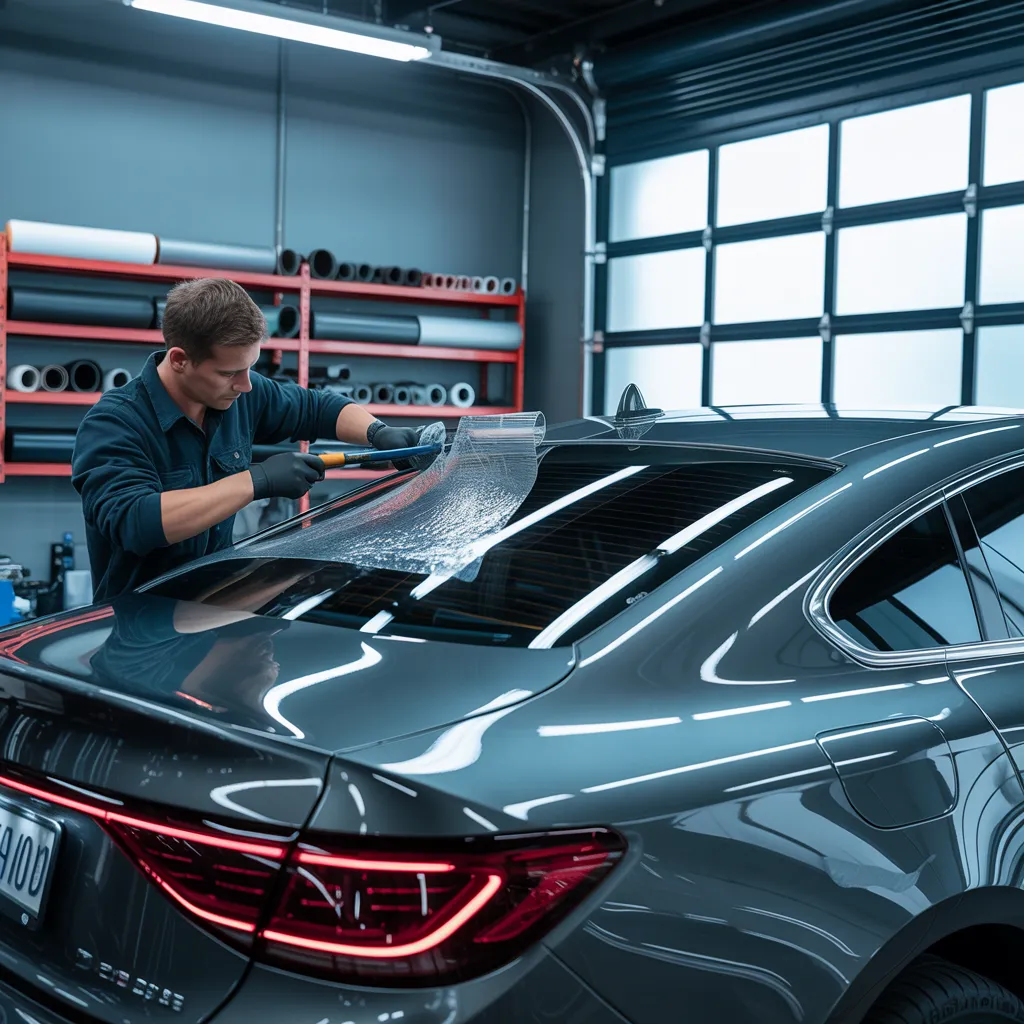
The Benefits of Professional Car Detailing
While some auto owners might prefer self-performed cleaning methods, the advantages of professional car detailing are undeniable. Professional detailers possess advanced tools and products that achieve results much better than what most people can do at home. Their expertise enables thorough cleaning and restoration of both interior and exterior, focusing on hard-to-reach areas often neglected during casual cleaning.
Also, expert detailing can raise a vehicle's resale value by bringing out its visual beauty. This painstaking procedure often includes waxing, polishing, and protective coating application that not only upgrade the look but also safeguard the vehicle from environmental damage.
Moreover, skilled detailers are experienced in identifying and remedy minor complications before they grow into substantial repairs. Ultimately, committing to professional car detailing not only saves time but also delivers a caliber of service that keeps the vehicle's condition for years to come.
What Are the Primary Services in Ultimate Car Detailing?
What crucial offerings define premium car detailing? At the heart of ultimate car detailing are several important services created to restore and improve a vehicle's appearance. First, comprehensive exterior washing eliminates dirt and grime, succeeded by a clay bar treatment to remove embedded contaminants. Next, paint correction may be performed to tackle imperfections, guaranteeing a flawless shine.
Interior detailing encompasses thorough scrubbing of carpets, fabric surfaces, and solid materials, frequently employing steam cleaning and professional-grade solutions. Additionally, tire and wheel cleaning, along with application of protective sealants, help maintain a vehicle's exterior.
An critical aspect is coating and sealing, which provides a protective coating against environmental elements. Finally, engine bay cleaning can elevate complete aesthetics and performance. Collectively, these services guarantee that a automobile not only looks pristine but also keeps its price value over time.
How Often Should You Plan Car Detailing?
How often should one schedule car cleaning? The ideal frequency depends on multiple factors, including the vehicle's use, environment, and personal preferences. For individuals who commute regularly or often face harsh conditions—such as inclement weather or dust-filled areas—detailing services are recommended every three to six months. This regular upkeep helps preserve the car's exterior and interior, avoiding long-term damage.
Conversely, for those who use their vehicles less often or maintain them meticulously, detailing may only be necessary once or twice a year. Regular maintenance, such as washing and vacuuming, can extend the intervals between professional detailing sessions. Ultimately, the decision should consider the vehicle's state and the owner's dedication to upkeep. Scheduling car detailing periodically guarantees that the vehicle remains in peak condition, enhancing both aesthetic appeal and resale value.
Steps to Identify the Best Car Cleaning Plan for What You Need
Selecting the appropriate car detailing package demands thorough consideration of several elements. One must examine the type of car and determine how regularly detailing treatments are needed. Additionally, reviewing the features of alternative packages can help ensure that particular needs are met effectively.
Review Your Vehicle Type
Choosing the suitable car detailing package often is determined by the vehicle type one possesses. Different vehicles, such as sedans, SUVs, or luxury cars, have particular needs that determine the detailing methodology. As an example, larger cars may require deeper cleaning and protective coatings, while luxury models typically need professional treatments to preserve their surfaces. Moreover, if a vehicle gets regularly subjected to difficult conditions, such as off-road usage or urban environments, a fuller detailing service becomes important. Owners must also think about the vehicle condition and age; aged vehicles may benefit greatly from restoration services, while modern cars might simply need routine upkeep packages. Understanding these aspects helps confirm that the selected detail provider effectively meets specific needs.
Calculate Service Timing
When evaluating the appropriate frequency for car maintenance, one must consider multiple elements that affect the vehicle's state and usage. The setting in which the car operates plays a significant part; for instance, vehicles frequently subjected to harsh conditions or dirt may need more frequent detailing. Furthermore, the vehicle's age and overall condition are essential; aging vehicles or those displaying signs of wear may gain from regular care to preserve their appearance and value. Driving practices also determine frequency; daily drivers may require detailing more often than occasional drivers. In the end, a personalized strategy considering these elements will help establish the optimal detailing plan, guaranteeing the vehicle stays in optimal condition while matching with the owner's way of life and budget.
Inspect Plan Features
As car proprietors assess their detailing options, comprehending the features of different packages becomes vital for taking an well-reasoned decision. Detail service plans often vary in range, encompassing standard washing and waxing treatments, interior vacuuming, and more comprehensive options like paint correction or ceramic protection. Customers should assess their particular requirements, taking into account elements such as the car's state, desired longevity of the shine, and financial limitations. Premium packages may provide advanced services, like interior fabric cleaning or engine cleaning, while standard options concentrate on outside appearance. Comparing these features can assist proprietors rank their top priorities, guaranteeing they select a plan that matches their vehicle's requirements and their personal expectations for care and maintenance.
Self-Service compared to Professional Car Detailing: Which Route Is Ideal for You?
Deciding between DIY and professional car detailing can greatly impact both the car's visual condition and the customer's happiness. DIY detailing delivers savings and adaptability, permitting vehicle owners to detail their vehicles at their preference. However, it requires time, effort, and a certain amount of knowledge to achieve satisfactory results. The use of proper tools and products is essential, as subpar materials can lead to destruction or inadequate cleansing.
On the flip side, professional car detailing deliver technical knowledge, advanced equipment, and high-quality products. Professionals are trained to address specific issues, such as scratches and stains, ensuring a detailed and refined finish. While this option is typically higher in cost, it often results in superior outcomes.
In the end, the selection between do-it-yourself and expert cleaning is determined by personal needs, financial constraints, and desired results. Vehicle owners should evaluate their expertise and the condition of their car when taking this decision.
Tips for Keeping Your Car Appearing New Between Details
To preserve a vehicle's pristine appearance between professional detail appointments, a few essential practices can be applied. Creating a consistent washing routine, using protective wax, and maintaining the interior are crucial steps. These measures not only improve the car's visual appeal but also prolong its lifespan.
Habitual Cleaning Routine
Keeping a steady washing routine can significantly extend the life of a vehicle's look, helping it stays bright and attractive. Regular washing eliminates dirt, grime, and impurities that cause damage over time. Ideally, washing should be done every two weeks, though frequency may depend on climate. Using a high-grade car shampoo and a soft sponge can stop scratches, while rinsing thoroughly avoids soap residue. It’s vital to watch wheels and undercarriage, as these parts collect significant dirt. Washing in the shade can also stop water spots from forming. By following this routine, car owners can protect their vehicle’s finish and improve its overall look, keeping it looking newer longer.
Safeguard With Wax
Keeping your vehicle's outside looking pristine requires more than just regular washing; using wax is a vital component for safeguarding its finish. Wax functions as a protective shield against natural hazards including UV rays, road salt, and debris, preventing these from deteriorating the paint surface. An expertly applied layer of wax boosts the vehicle's shine while delivering a water-resistant surface that repels water, simplifying future maintenance. For optimal results, it is recommended to apply wax to your vehicle every three months, maintaining the protective coating in working order. When selecting a wax product, opting for superior quality options can help achieve a durable shine. Moreover, applying wax in a shaded area and employing appropriate application methods can produce a spotless finish, maintaining the vehicle's aesthetic charm between appointments with professional detailing services.
Interior Protection Tips
How can one keep their car's cabin looking pristine between professional cleanings? Consistent upkeep is essential. First, weekly vacuuming of seats and floor mats avoids dirt buildup and preserves fabric quality. Using a microfiber cloth to wipe down surfaces helps eliminate fingerprints and dust without scratching. For leather interiors, applying a leather treatment every several months maintains flexibility and prevents damage. Additionally, utilizing seat covers|applying protective seat covers can shield against stains and spills. To combat odors, a What strategies can help one keep their car's cabin looking spotless between detailing services? Regular upkeep is crucial. First, vacuuming seats and floor mats on a weekly basis avoids accumulation of debris and protects fabric quality. Using a microfiber cloth to clean surfaces helps eliminate fingerprints and dust without causing damage. For leather upholstery, applying a conditioner every few months maintains flexibility and stops damage. Additionally, using seat covers can protect against stains and spills. To eliminate odors, a simple air freshener or soda can be useful. Ultimately, organizing personal items in designated compartments minimizes clutter, ensuring a tidy appearance. By implementing these simple methods, one can significantly prolong the aesthetic appeal and longevity of their vehicle's interior.
Regularly Inquired Questions About Our Services
Can auto detailing erase imperfections from My Car's finish?
Detailing can minimize the visual impact of scratches on a car's paint, particularly through polishing methods. However, deeper scratches may require specialized treatments or repainting for complete removal, depending on their severity and depth.
What Length of time Does a Complete Detailing Service Generally Require?
A complete detailing service generally takes between four to six hours, relying on the size and condition of the vehicle. Considerations such as services requested and the detailer's expertise also shape the overall duration.
Do eco-responsible products get used in Car Detailing?
Many automobile detailing services highlight eco-friendly products, deploying plant-based solutions and sustainable practices. This initiative not only protects the environment but also guarantees a sound, productive cleaning process for vehicles without harmful chemical residues.
Does Detailing Help With Unpleasant Odors in My Vehicle?
Detailing can successfully remove unpleasant odors in vehicles. Through deep cleaning and the use helpful information of professional-grade solutions, detailing addresses hidden sources of smells, ensuring a cleaner atmosphere and enhancing overall driving comfort for passengers.
How Should I Ready My Car for Detailing?
To get ready a car for detailing, one should remove belongings, vacuum the inside, and polish surfaces. Additionally, emptying the trunk and confirming the vehicle is easy to access will enhance the detailing process's productivity and quality.